

Understanding the Different Grades of Gravel
Gravel may look like a simple material, but choosing the wrong type can lead to poor drainage, unstable surfaces, and costly repairs. Whether you’re installing a driveway, building a patio, or managing water runoff, understanding the different grades of gravel is essential to getting long-lasting results.
Gravel is classified by particle size and stone type, with each grade designed for a specific function. In this guide, we’ll break down how gravel is graded, the most common gravel sizes, and how to choose the right material for your project.
How Gravel Is Graded
Gravel is typically categorized using a number-based grading system. In general:
- Lower numbers indicate larger stones
- Higher numbers indicate smaller stones or fine material
Gravel is also divided into two main categories:
- Crushed stone – angular edges that lock together and compact well
- Rounded or washed gravel – smooth stones that don’t compact, ideal for drainage and decorative uses
Understanding both the size and shape of gravel helps ensure proper drainage, stability, and performance.
Gravel Size Chart: Common Grades and Uses
The table below provides a clear comparison of the most common gravel grades, their approximate size ranges, and typical applications. While gravel sizes aren’t exact, this chart serves as a reliable reference for residential and commercial projects.
Note: Gravel gradations may include up to 10–15% of larger or smaller particles, which is normal in aggregate materials.
| Gravel Grade | Approximate Size Range | Metric (mm) | Common Uses |
|---|---|---|---|
| #1 Stone | 2″ – 4″ | 50.8 – 101.6 mm | Heavy drainage, erosion control, base layers |
| #2 Stone | 1½” – 3″ | 38.1 – 76.2 mm | Drainage, septic systems, structural fill |
| #3 Stone | ½” – 2″ | 12.7 – 50.8 mm | Driveway base, retaining wall backfill |
| #4 Stone | ¾” – 1½” | 19.1 – 38.1 mm | Walkways, patios, landscaping |
| #5 Stone | 1″ | 25.4 mm | Drainage and landscaping applications |
| #57 Stone | ¾” | 19.1 mm | Driveways, French drains, concrete mixes |
| #67 Stone | ¾” – ½” | 12.7 – 19.1 mm | Drainage, pipe bedding |
| #7 Stone | ½” | 12.7 mm | Decorative stone, drainage |
| #8 Stone | ⅜” – ½” | 9.5 – 12.7 mm | Driveway top layer, backfill |
| Pea Gravel (#89) | ⅛” – ⅜” | 3.2 – 9.5 mm | Walkways, playgrounds, decorative landscaping |
| #9 Stone | ⅛” – ⅜” | 3.2 – 9.5 mm | Drainage and decorative uses |
| #10 Screenings (Stone Dust) | Under ⅜” | 0 – 9.5 mm | Paver base, leveling, compacted surfaces |
Common Gravel Grades Explained
#1 and #3 Gravel: Heavy-Duty Base and Drainage
Larger stones like #1 and #3 gravel are commonly used for erosion control, drainage systems, and foundational layers. Their size allows water to move freely, making them ideal for areas where drainage is critical.
#57 Gravel: The Most Versatile Option
#57 stone is one of the most popular gravel grades due to its balance of size, stability, and drainage.
Best uses include:
- Driveways
- French drains
- Concrete mixes
- General drainage applications
Its angular shape allows it to lock together while still allowing water to pass through.
#8 Gravel and Smaller Stones: Finishing and Backfill
Smaller crushed stone like #8 gravel is often used as a top layer for driveways or for backfilling projects. It creates a cleaner look while still offering decent stability.
Pea Gravel: Decorative and Comfortable
Pea gravel consists of small, rounded stones that are smooth underfoot.
Best uses include:
- Walkways and garden paths
- Playgrounds
- Decorative landscaping
Because it doesn’t compact well, pea gravel is not recommended for driveways or high-traffic areas.
#10 Screenings and Stone Dust: Leveling and Compaction
Screenings are the smallest gravel grade and are commonly used to create smooth, compacted bases under pavers or stonework. When properly compacted, they provide a firm and level surface.
Key Considerations When Choosing Gravel
1. Size Matters
Each gravel size serves a specific purpose. Larger stones support drainage and structure, while smaller stones are better for finishing and leveling.
2. Crushed vs. Rounded Stone
- Crushed stone compacts and locks together, making it ideal for driveways and base layers.
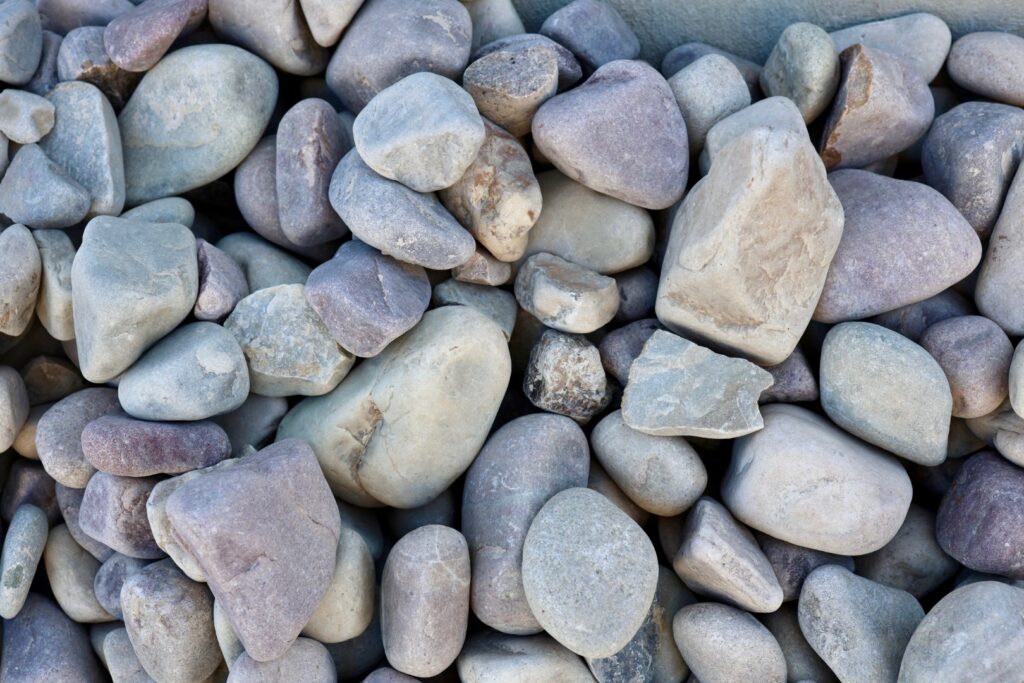
- Rounded gravel shifts more easily and is better for drainage or decorative use.
*For most driveways, crushed stone is the recommended choice.
3. Choosing Gravel for Driveways
For long-lasting driveway performance, crusher run or dense grade aggregate (such as 5/8-inch or 1¼-inch minus) is typically recommended. This mix of crushed stone and fines compacts tightly and provides excellent stability.
Need Help Choosing Which Gravel You Need?
Choosing the right gravel grade is just as important as proper installation. The correct material improves drainage, increases stability, and reduces long-term maintenance. Whether you’re planning a driveway, drainage system, or landscaping project, understanding gravel grades helps ensure your project is built to last.
Need help selecting the right gravel? Contact us today and we’ll help you choose the best material for you!